

News
Unleashing Creativity with Industrial Pad Printing: New Trends in Industrial Branding


From brand logos on pens to warning labels on car dashboards to engravings on smartwatch bezels, the patterns look simple. But they hide a powerful industrial pad printing tech—pad printing. This is one of the few methods that can transfer a 2D image onto a 3D object. That’s why it’s becoming so important in advanced manufacturing. Let’s break down the basics, key parts, and wide range of industrial pad printing.
I. How Pad Printing Works: Turning 2D Designs into 3D Prints
The magic of industrial pad printing is in its "indirect transfer" process. First, you engrave the image onto a metal plate with extreme precision. Chemical or laser processes create tiny grooves of different depths on the metal. Then, you fill these grooves with special ink.
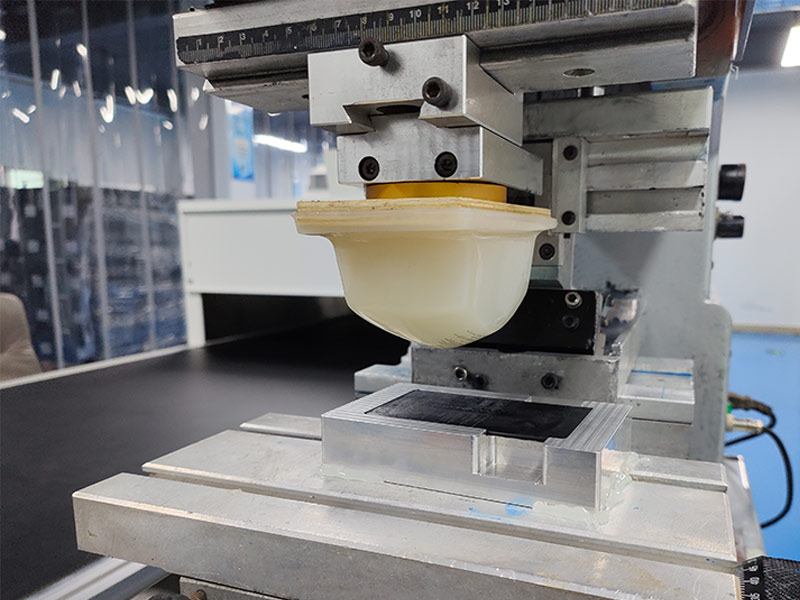
A silicone pad—soft and stretchy—picks up the ink. Finally, the pad presses onto the target object with just the right pressure, transferring the ink perfectly.
Unlike screen printing or direct printing, pad printing handles curved, rough, or uneven surfaces with ease. The silicone pad bends to fit the shape. This makes it irreplaceable in fields that need super-precise prints, like medical devices, electronics, and car parts.
II. The 5 Key Parts of Pad Printing Systems
A industrial pad printing setup works like a precision orchestra. Every part matters:
1. Main Machine Unit: The brain of the system. It controls the timing of each movement to ensure micron-level accuracy for every print.
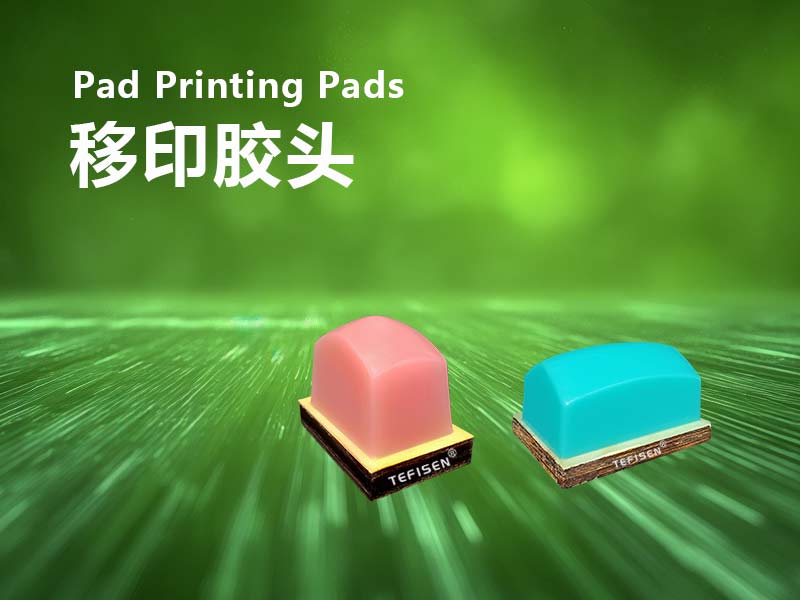
2. Silicone Pad: Made from special silicone, these pads come in different shapes (cones, prisms) and hardness levels. The right pad depends on the product’s surface and the print design.
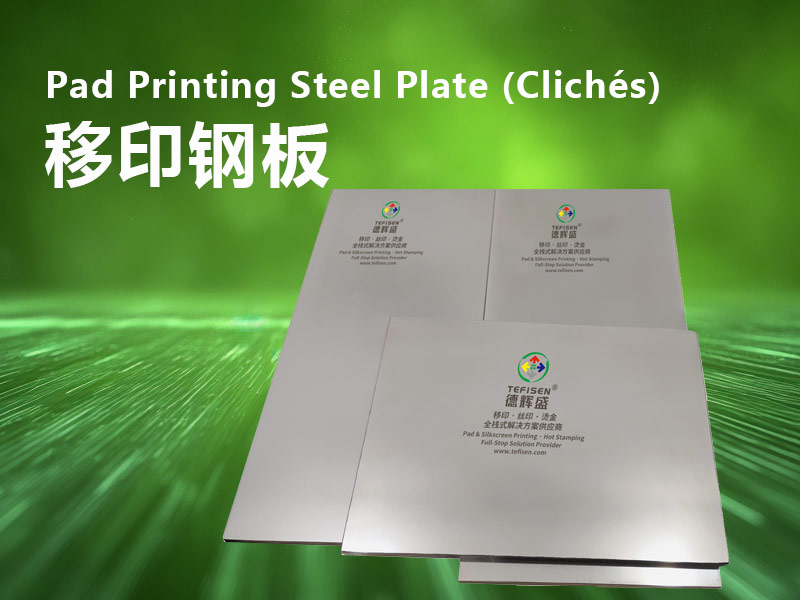
3. Pad Printing Steel Plate: Usually made of hard alloy steel, modern plates can engrave lines as thin as 0.01mm. This gives prints high resolution.
4. Specialized Ink System: Pad printing inks come in solvent-based, water-based, and UV-cured types. Additives adjust viscosity, drying time, and adhesion for different materials.
5. Closed Ink Cup System: A game-changer in pad printing. This sealed system keeps ink stable, reduces solvent evaporation, and uses up to 95% of the ink—cutting costs.
III. How Pad Printing Evolved: From Open Trays to Smart Ink Cups
Early pad printing used open ink trays. Simple, but messy-ink dried fast, prints varied, and solvents polluted the air. Today, closed ink cup systems dominate. They store ink, control viscosity, and refill automatically in a sealed environment. Paired with sensors, they keep prints consistent and automated.
The most advanced setups use six-axis robotic arms, vision systems, and auto-cleaning tools. They handle everything from identifying parts to multi-color printing and quality checks. This is critical for fields like medical syringes or microelectronics.
IV. Where Pad Printing Shines
Pad printing adapts to almost any material. With the right pre-treatment and ink, it works on:
• Plastics: ABS, PC, PP, nylon, silicone
• Metals: Aluminum, stainless steel, chrome-plated surfaces
• Special Materials: Glass, ceramics, carbon fiber
• Soft Materials: TPU, rubber
You’ll find pad printing everywhere in modern manufacturing:
• Electronics: Logos on phone buttons, remote controls, keyboards, USB cases
• Automotive: Dashboard icons, button symbols, interior trim logos, guide posts
• Medical: Scale lines on syringes, surgical tool markings, equipment labels
• Consumer Goods: Cosmetic packaging (lipstick tubes), toys, stationery, mugs
• Sports Gear: Golf ball numbers, racquet logos
In medical devices, pad printing can print scale lines on catheters as thin as 2mm. In electronics, it adds scratch-resistant marks on curved glass. In cars, it prints uniform logos on textured surfaces.
V. Why Choose Industrial Pad Printing?
Industrial pad printing stands out for these reasons:
• Handles Curves Like a Pro: Prints stably on spheres, waves, and other complex shapes.
• Super Precise: Can print tiny lines, small text, and detailed gradients.
• Works with Almost Anything: With the right ink, it prints on most plastics, metals, glass, and ceramics.
• Fast and Affordable: Quick setup makes it great for small to medium batches, with low per-unit costs.
• Durable Prints: Special inks and treatments make prints resistant to scratches, weather, and chemicals.
VI. 5 Tips for Perfect Pad Printing
Industrial pad printing seems easy, but it takes skill. For better results, focus on these:
Match Ink to Material: Use the right ink for each surface (e.g., PP plastic needs different ink than metal). For eco-friendly needs, pick inks like Guangdong TEFISEN’s TS100 series (PAHs, PFOA & PFOS, SA, ROHS, REACH, VOC compliant).
Pick the Right Pads: Shape, hardness, and surface matter. For electronics, use anti-static pads.
Control the Environment: Keep temperature and humidity stable to avoid ink issues.
Fine-Tune Settings: Adjust pad speed, pressure, and dwell time for each job.
Clean Regularly: After use, clean the plate, pad, and ink cup to prevent residue buildup.
VII. Pad Printing vs. Screen Printing: Which to Use?
Both are important, but they shine in different areas:
| Factor | Pad Printing | Screen Printing |
| How It Works | Ink transfers via a silicone pad. | Ink is pushed through a screen stencil. |
| Best For | Curved, rough, or uneven surfaces. | Flat or gently curved surfaces. |
| Precision | Can print lines as thin as 0.1mm. | Limited by mesh count; better for large designs. |
| Ink Layer | Thin (2–10 microns), smooth feel. | Thick (100+ microns), 3D effect. |
| Efficiency | Good for small to large batches. | Best for huge batches of flat prints. |
| Cost | Medium equipment cost; higher pad/plate replacement. | Low setup cost; cheaper for long runs. |
| Common Uses | Electronic buttons, car dashboards, toys. | Glass panels, metal signs, sports gear. |
Choose based on: product shape, print area, precision needs, and volume.
Industrial pad printing is the master of curved surfaces. It adds sharp logos and vibrant patterns to everything from smartphones to cars to medical tools. This tech blends materials science, precision engineering, automation, and chemistry.
For durable, high-precision prints on curves, pad printing isn’t just an option—it’s often the only perfect choice today. As new materials emerge, this tried-and-true tech will stay vital in manufacturing’s future.